

Refills at Your Door: Smarter Cleaning or Costly Habit?

Today we explore subscription refill services for household cleaners, weighing convenience against cost, sustainability claims against life-cycle realities, and performance against safety. Expect candid examples, numbers, and stories to help you decide whether doorstep concentrates and reusable bottles genuinely fit your routines, space, and values. Share your experiences, ask questions, and challenge assumptions so our community can learn what actually works beyond glossy marketing promises.

From Sign-Up to First Sparkling Countertops
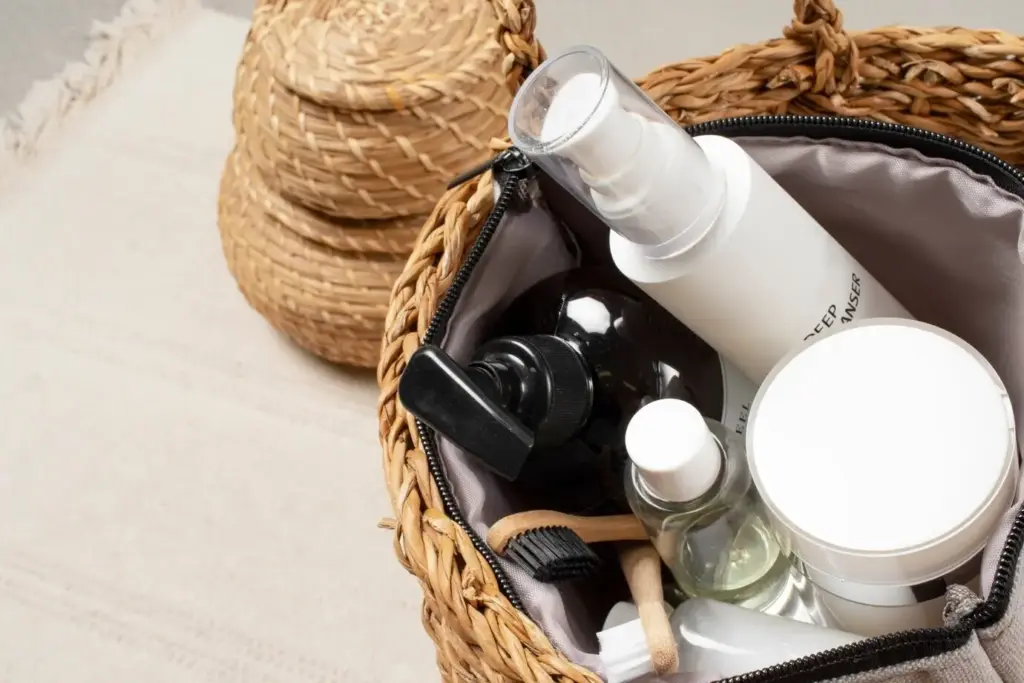
You typically choose a bundle, confirm surfaces you clean most, and set delivery frequency. A starter kit arrives with bottles, labels, and either concentrates or tablets. After diluting with tap water, you test performance on mirrors or stovetops. The first week reveals practical truths about sprayer ergonomics, scent intensity, and whether reminders keep you ahead of grime, not chasing it.

What Actually Comes in the Box

Many kits include reusable glass or durable plastic bottles, color-coded labels, and measured concentrates, sometimes alongside microfiber cloths or caddies. Concentrates may be liquids, powders, or dissolving tablets that reduce shipping weight. Instructions matter, because a capful too much can leave residue, while too little weakens cleaning power. Accessories, like silicone sleeves, reduce breakage and encourage long-term reuse.

Environmental Impact: Claims Measured Against Reality

Packaging Footprint and Reuse Thresholds

A heavy glass bottle can curb plastic waste if it survives dozens of refills. However, if breakage or aesthetics prompt frequent replacement, environmental gains shrink. Concentrate pouches reduce bulk, but multi-layer films complicate recycling. Look for third-party data estimating how many refills are required to outperform typical store bottles, then commit to surpassing that threshold through careful handling and consistent reuse.

Shipping Emissions Versus Store Runs

A heavy glass bottle can curb plastic waste if it survives dozens of refills. However, if breakage or aesthetics prompt frequent replacement, environmental gains shrink. Concentrate pouches reduce bulk, but multi-layer films complicate recycling. Look for third-party data estimating how many refills are required to outperform typical store bottles, then commit to surpassing that threshold through careful handling and consistent reuse.

End-of-Life: Recycling, Composting, or Landfill?

A heavy glass bottle can curb plastic waste if it survives dozens of refills. However, if breakage or aesthetics prompt frequent replacement, environmental gains shrink. Concentrate pouches reduce bulk, but multi-layer films complicate recycling. Look for third-party data estimating how many refills are required to outperform typical store bottles, then commit to surpassing that threshold through careful handling and consistent reuse.

Money Matters: Do Refills Really Save?

Savings depend on per-ounce costs, shipping fees, and how accurately deliveries match your household’s true consumption. Concentrates can undercut premium store brands, but may exceed basic generics. The danger is overstock from inflexible cadences. Smart budgeting compares unit prices, tracks actual usage, and avoids paying for convenience you do not need. Remember to include starter kits, accessories, and return policies.

Per-Ounce Comparisons and Sneaky Fees

Calculate per-ounce costs after dilution, not only the concentrate price. Add shipping, taxes, and occasional restocking fees. Promotions and loyalty credits can temporarily distort comparisons, so review a three-month window rather than a single order. If bundles include products your home barely uses, unit costs quietly climb. Transparent price breakdowns preserve clarity and keep long-term savings honest.

The Overstock Trap and Behavioral Economics

Automatic deliveries can outpace real cleaning habits, especially during travel, renovations, or lifestyle shifts. Overstock ties up cash and storage space, nudging you to overuse products to justify inventory. Align delivery intervals with seasonal patterns, track empties, and delay orders proactively. Behavioral cues—like visible backups—help you adjust timing, protecting budgets and encouraging thoughtful, not automatic, consumption.

A Family Snapshot: Budgets Before and After

When Maya’s family switched, they paid slightly more per ounce than generic store cleaners but cut last-minute trips and impulse buys. Over three months, overall spending stabilized, and the recycling bin held fewer bulky bottles. The win only held because they paused shipments twice, used measured dilutions, and avoided adding seldom-used specialty cleaners to their recurring bundle.

Cleaning Power, Safety, and Trust

Efficacy and health considerations matter as much as convenience. Concentrated formulas can deliver strong performance with fewer harsh ingredients, but dilution accuracy and dwell time influence results. Ingredient transparency, independent certifications, and clear usage instructions build trust. Prioritize data-backed claims over buzzwords, ensuring your counters shine without triggering headaches, skin irritation, or conflicting guidance about sensitive surfaces.

Convenience, Culture, and Daily Life

Avoiding Pitfalls and Maximizing Value

A few proactive steps transform a decent service into a satisfying, sustainable habit. Track how long bottles last, right-size cadences, and skip shipments early. Favor repairable sprayers and bottles with replaceable parts. Read support policies before issues arise. Engage with communities for honest reviews, ask questions, and share your own observations so others can learn—and your home benefits from collective wisdom.
Mark bottle fill dates on labels or use a simple spreadsheet. When a cleaner lasts longer than expected, push the next shipment immediately. Bundle products you empty together to cut shipping frequency. If a season changes your usage—for example, spring allergies or holiday cooking—adjust cadence rather than tolerate silent overstock that erodes savings and overwhelms storage.
Choose sturdy sprayers with adjustable nozzles, good seals, and comfortable triggers. Glass protects flavor-like fragrances from plastic absorption, yet adds weight, so sleeves help. If hardware fails, responsive warranties and easy part replacements matter. Strong onboarding instructions, dilution marks etched on bottles, and leak-tested caps reduce messes, preserve confidence, and keep you committed to long-term reuse.
Mimoxolomurolutupaxuvo
Privacy Overview

This website uses cookies so that we can provide you with the best user experience possible. Cookie information is stored in your browser and performs functions such as recognising you when you return to our website and helping our team to understand which sections of the website you find most interesting and useful.