Create a Zero‑Waste Refill Station at Home
Today we’re diving into setting up a zero‑waste refill station at home, turning everyday chores into smoother, kinder routines. We will walk through space planning, durable containers, sourcing strategies, sanitation habits, and practical organization that actually fits real life. Expect friendly guidance, personal anecdotes, and small steps that add up to big impact without sacrificing convenience or style. Bring curiosity, a few empties, and an open mind; leave with a clear plan, confidence to start immediately, and ideas for inviting friends or family to join your lighter‑footprint journey.

Map the Space: Flow, Safety, and Ease

Choose Containers That Last

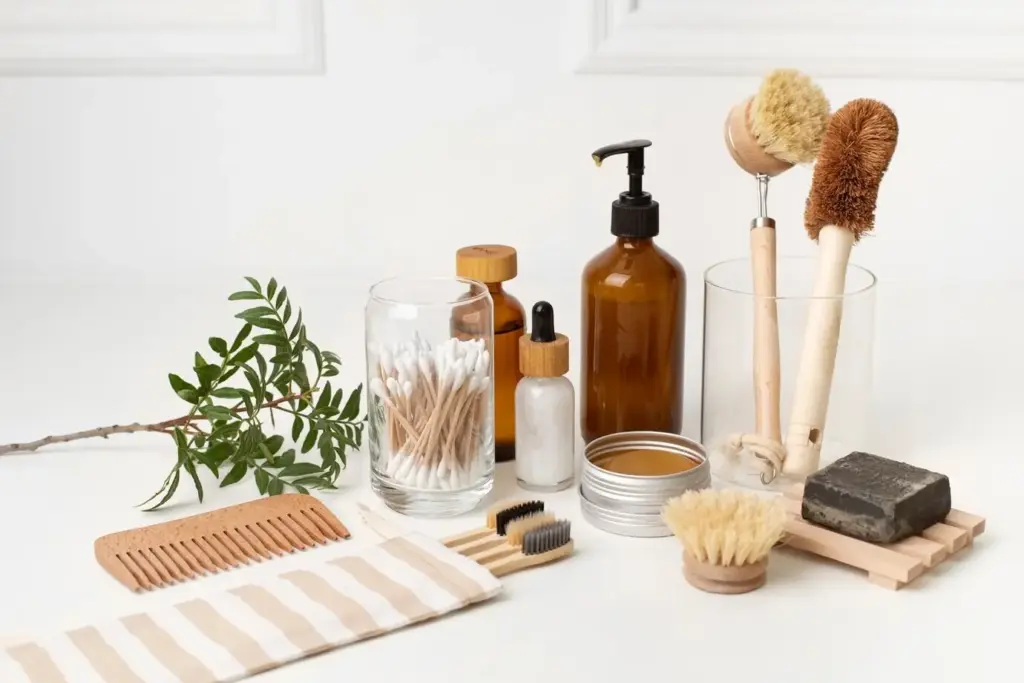
Durable, easy‑to‑clean containers are the backbone of a trustworthy station. Glass shows volumes clearly and resists smell transfer; stainless steel is nearly indestructible; high‑quality recycled plastic works well for shower zones or travel. Favor wide mouths for easy refilling and standardized caps to simplify replacement. Measure your shelves to avoid heartbreak, and test a few sizes before committing. A cohesive container set looks beautiful, reduces clutter, and makes your new refilling ritual feel calm, reliable, and satisfying.

Glass, Stainless, and Recycled Plastic Compared

Glass shines for pantry goods and clear visibility, stainless excels with durability and light protection, and recycled plastic reduces breakage risk in busy areas. Mix strategically based on contents, humidity, and user handling. Consider weight when full, grip comfort, and pump compatibility. Transparent windows or volume markers help prevent overfilling. Choosing container materials intentionally extends product life, improves safety, and keeps your station looking consistent, functional, and delightful every time you reach for a refill.

Labels, Dates, and Clear Instructions

Create labels that share product name, dilution ratio, date filled, and hazard or allergy notes. Use waterproof pens or printable vinyl so they survive splashes. Color‑coding by category speeds recognition and prevents mistakes. Add gentle care instructions like shake‑before‑use or keep‑away‑from‑sun. A simple legend, posted nearby, helps visitors and family refill confidently without guesswork. When information is visible and friendly, your system becomes resilient, teachable, and easy to maintain through busy seasons.

Funnels, Scoops, and Measuring Tools
Keep a dedicated set of tools for each category to avoid unwanted mixes, especially between food and cleaning products. Collapsible silicone funnels save space, stainless funnels clean easily, and graduated beakers reduce spills. Pair small scoops with dry goods and pump tops with viscous liquids. Store tools upright in a caddy so they dry fast. The right instruments drive precision, reduce mess, and make the entire process more enjoyable, predictable, and safe for everyone involved.

Stock Everyday Essentials

Start with items you already use weekly so the station immediately proves its worth. Dish soap, laundry detergent, all‑purpose cleaner, hand soap, rice, oats, salt, olive oil, shampoo, and conditioner are excellent first picks. Choose concentrates or high‑volume refills to minimize trips. Document preferred brands, scent notes, and dilution ratios so replacements stay consistent. Begin small, then layer in spice jars, baking staples, or specialty cleaners. Early wins build trust, momentum, and measurable reductions in packaging waste.

Keep It Clean and Compliant

Sanitation keeps confidence high and products fresh. Establish simple routines for cleaning tools, wiping surfaces, and drying containers completely before refill. Avoid cross‑contamination by dedicating utensils to categories and clearly separating food from cleaning products. Track lot numbers if your supplier provides them, and date everything you decant. Rotate older stock forward and set reminders for periodic deep cleans. These small, steady practices protect quality, preserve scent integrity, and prevent wasteful mistakes that erode motivation.

Source Smart and Support Community

Reliable suppliers make refilling sustainable month after month. Explore bulk stores, co‑ops, refill delivery services, or direct‑from‑producer options with returnable containers. Ask about ingredient transparency, closed‑loop packaging, and fair labor. Split large orders with neighbors to reduce costs and emissions. Keep a shared spreadsheet of favorites, performance notes, and price history. Building relationships with local shops and producers strengthens trust, invites special orders, and turns your home setup into a small node of community resilience.

Find Reliable Bulk Suppliers

Search local directories, farmers’ markets, and community forums for shops offering bulk cleaners, pantry goods, and personal care refills. Request samples before committing. Verify dilution instructions and pump compatibility. Ask about deposits on returnable containers and cleaning standards between refills. A dependable supplier shortens learning curves, reduces guesswork, and ensures consistent quality, which keeps everyone returning to the station with enthusiasm rather than skepticism or fatigue when something performs unexpectedly.

Neighborhood Buying Clubs

Organize a small group to share wholesale cases, delivery fees, and return logistics. Rotate hosting duties so storage burdens stay light. Use messaging apps or a shared calendar to coordinate orders and pickup windows. Pool feedback on product performance to refine future selections. Buying together builds friendship, lowers costs, and cuts packaging waste dramatically. Over time, your informal network can influence local retailers to stock better options, creating wider access and a stronger circular economy.

Waste‑Free Delivery and Returnable Packaging

Ask suppliers about stainless drums, glass carboys, or robust jerricans that they collect, clean, and recirculate. Track deposits and returns carefully. If shipping, request paper cushioning and tape‑free closures. Store empties neatly to encourage timely pickups. Celebrate each successful return cycle with your household or neighbors. These small logistics victories compound into meaningful footprint reductions, proving that responsible packaging can be practical, beautiful, and reliable without burdening your schedule or compromising product quality.

Make Habits Stick and Celebrate Wins

Behavior changes last when they feel rewarding and visible. Schedule a weekly ten‑minute refill session with music, tea, or a favorite podcast. Keep a tally of containers avoided and money saved. Display a small jar of bottle caps collected as a tangible reminder to reduce. Invite family or roommates to join, and rotate responsibilities. Share before‑and‑after photos, swap tips in comments, and subscribe for seasonal checklists. The joy of progress keeps momentum strong and resilient.

Create Refill Rituals You Look Forward To

Pair refilling with something pleasurable: a playlist you love, an aromatic oil blend, or a sunny window. Set a recurring reminder and keep tools prepped so starting requires almost no effort. Reward consistency with a small celebration each month. When the ritual feels calming rather than fussy, participation rises naturally, and the station becomes an anchor of care that steadies busy weeks and quietly reduces waste without lectures or guilt‑driven pressure on anyone.

Involve Family, Roommates, and Guests

Give each person a simple responsibility: topping up hand soap, updating the restock list, wiping the station, or labeling dates. Post friendly how‑to cards. Offer kid‑safe tasks with color‑coded tools. Invite guests to refill travel bottles before leaving. A shared station teaches respect for resources and sparks good conversations. When everyone contributes, the system becomes resilient, ownership spreads, and refilling shifts from an individual experiment to a collective, supportive household practice everyone can maintain.

Track Impact, Share Stories, and Inspire Others

Note how many plastic bottles you avoid monthly, the money you save, and the time reclaimed from store trips. Photograph quick wins like tidy shelves and gleaming containers. Share lessons in community groups and ask for creative ideas. Invite readers to comment with favorite suppliers or clever container hacks. Small stories turn into wider change, encouraging neighbors and friends to try their own version and subscribe for updates, seasonal guides, and honest product reviews that help everyone succeed.
Mimoxolomurolutupaxuvo
Privacy Overview

This website uses cookies so that we can provide you with the best user experience possible. Cookie information is stored in your browser and performs functions such as recognising you when you return to our website and helping our team to understand which sections of the website you find most interesting and useful.